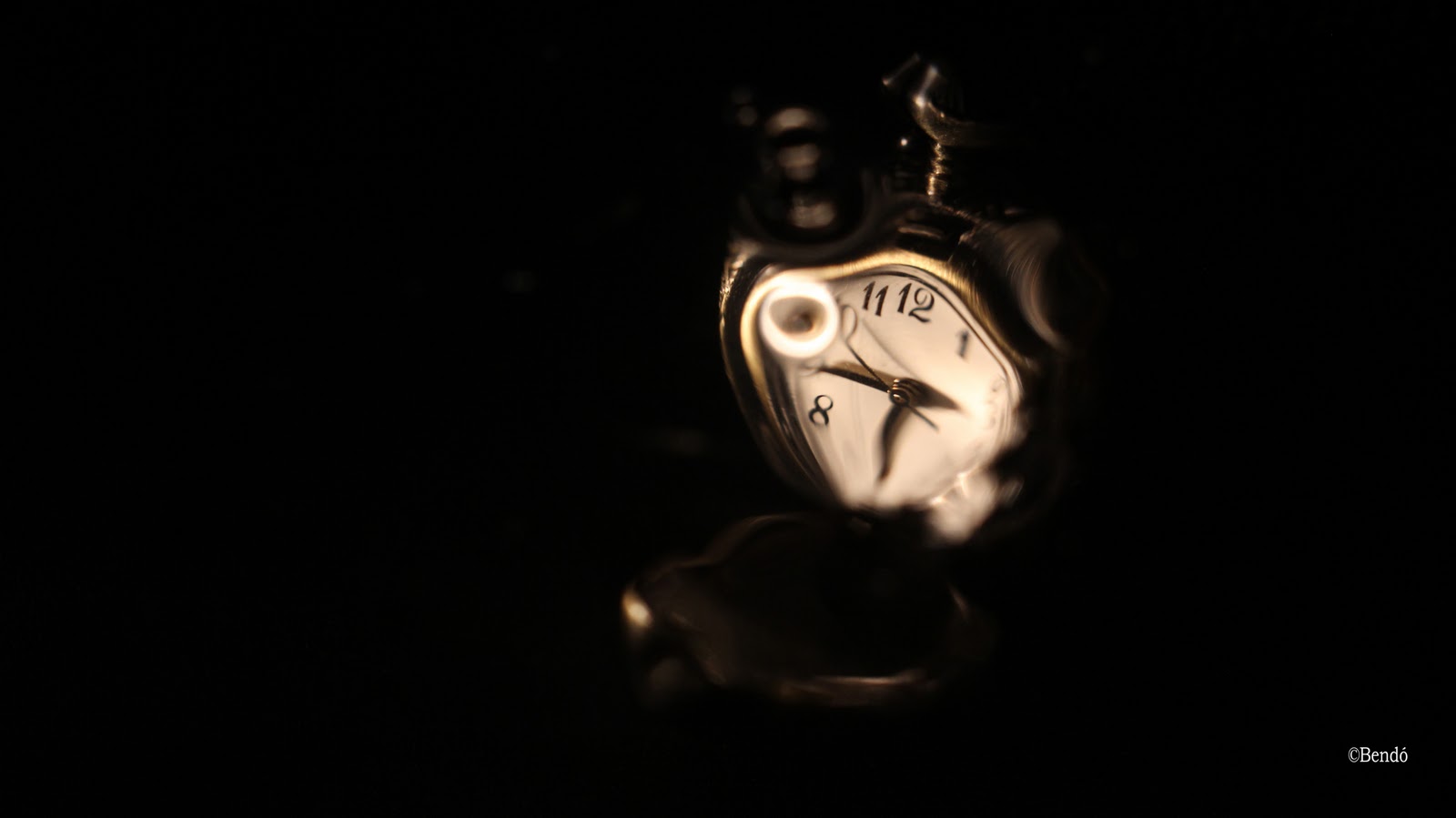
efffundo

Thursday, 23 April 2015

I think I thought I saw you try

Kép/picture: Marcello Cassanelli


She wanted him to come on that trip with her. Of course he knew, she's tried to convince him many times, either directly, or in sneaky ways, sending him pictures and music, as she always did. Of course he knew, he had to come up with an excuse about his fear of tropical diseases while they both knew that she wasn't going to the tropics. Just to the other end of the world.
Still, she wanted to see the oceans with him, both of them. She wanted to be there when he first experiences landing on that continent, she wanted to see his face when he understands the world is the same everywhere, it's just a little different everywhere. She wanted to share that weird driving on the wrong side experience with him, she wanted to sit on his left watching him focus on fuel efficiency.
She wanted to see how the February summer confuses him, but then also how it relaxes him. She wanted to watch him progress from clean-shaved, tight-muscled, wrinkly-faced to laid-back, ticklish, suntanned, dirty-footed. She wanted to see him without that mask. The mask she's seen crack a few times, but she never saw him deciding to take it off completely. Why she thought two oceans and a few penguins will suddenly make him feel comfortable with who he was, with who she was, with who they were together, is a mystery. Hope was her middle name.
Maybe she thought it would help him realize that this was a lot of work for her too. A lot of effort to knock peepholes in her walls, to lower the bridge and lift the fences. That it wasn't about the make up, not just the swimsuit, not just her morning face. It was her almost crying when they stop for lunch at some unreal little village right on the Indian shore, because she hasn't seen her sister's children since December; it was her getting mad and not talking to him for the rest of the afternoon because he said the seagulls weren't funny. It was her nagging him to get himself together and go to Table Mountain already, and it was her hating him all the way up for making her suffer through such a climb.
She also thought he wanted to try, too. Maybe it was just a little too far, maybe she was asking too much, too much of his time, too big a leap of faith, too obvious a commitment. She had a tendency to do that. Why would she ask for Paris? They would always have Paris, everybody will always have Paris.
She was hopeful, naive, loving him blind, yes.
And for the right reasons, all of this. He understood her fears, even if he thought they were utterly silly. He would listen to her endless debates with herself and not tell her what she wanted to hear. All those tacky unoriginal things people say: making her feel special, making her believe she's good enough. Making her want to become even better, braver, to prove that there is no other one like her. Prove it to herself, most of all.

Better or braver, but certainly no less stubborn. Hurt she may have been, but didn't ditch her plans. She went all the way, two oceans, end of the world, without him. To see if she can, to show that she can. That no broken heart can ever hold her back.

And there, in the fierce wind that brought the salty taste of the water, she understood. His work was done. Being with him, and being without him made her realize, that nothing, not even a broken heart can hold her back. That she had to give up the safety net she loved having so much. That she would have to put back that red dress on and keep walking through the deserts and crowded markets, big cities and empty countrysides. Because she has to keep looking for the right curve.  

*                   *                   *                   *                   *                   *                   *                   *                   *                   


Szerette volna, ha a fiú vele tart. Próbálta meggyőzni, olykor egyenesen, máskor kerülőutakon, zenével, képekkel, ahogyan máskor is. Tudta a fiú, mire megy ki a játék, elő is állt valami gyenge kifogással trópusi betegségekről, miközben mindketten tudták, a lány nem a trópusokra készül. Csak a világ másik végére.
Mégis, szerette volna vele nézni az óceánt. Mind a kettőt. Szeretett volna ott lenni, amikor a fiú először landon azon a másik földrészen, szerette volna nézni az arcát, amikor megérti, a világ egészen hasonló mindenhol, csak egy kicsit más is mindenhol. Szerette volna megosztani vele a másik oldalon való vezetés fura élményét; szeretett volna a balján ülni és csendesen mosolyogva hallgatni, hogyan lehet a legalacsonyabb fogyasztást elérni.
Szerette volna látni, hogyan zavarja össze a februári nyár a fiút, és azt is, hogyan kapcsolja ki. Szerette volna végignézni, ahogyan az a frissen borotvált, feszes, gonderhelt kedves lazává, csiklandóssá, napbarnítottá alakul. Szerette volna végre álarc nélkül látni. Az álarc nélkül, melyet látott ugyan néhányszor megrepedni, de amelyet a fiú sosem dobott el teljesen. Hogy miért gondolta, hogy két óceán és néhány pingvin majd eléri, hogy elfogadja magát, a lányt, kettőjüket így együtt, már sosem derül ki. Reménykedett, ahogy mindig.
Talán azt gondolta, a februári nyárban majd a fiú is megérti, ez neki is erőfeszítés. Hogy az ő falait sem egyszerű lebontan. És nemcsak az a nagy dolog, hogy bikini, hogy reggeli gyűrött arc, smink nélkül. Hanem az is, hogy majdnem elsírja magát a parti kis faluban, ahol megállnak ebédelni, mert december óta nem látta a húga gyerekeit. Meg az is, hogy megharagszik és egész délután duzzog, mert a fiú azt mondta, a sirályok nem viccesek. Meg az is, hogy nyaggatja a fiút, szedje már össze magát és menjenek hegyet mászni, és aztán egész úton fölfelé utálja, a mászást is meg őt is.
És azt is gondolta, a fiú is szeretné mindezt, legalább megpróbálni. Talán túl messzire akart menni, túl sokat kért, túl sokat az idejéből, túl nagy ígéreteket, mindent egyszerre. Ez gyakran előfordult vele. Nem értette, miért elégedne meg Párizssal, Párizs elérhető, mindig ott lesz, az ő Bakonyuk.
Bizakodott, naivan, szerette bolondulásig, igen.
És nem ok nélkül. A fiú megértette a félelmeit, még ha csacsiságnak is tartotta őket. Meghallgatta végtelen monológjait, és nem zárta őket rövidre azzal, hogy azt mondta, amit a lány hallani akart. Minden lányregényből kölcsönzött közhelyet megbízhatóan szállított: különlegesnek érezte magát mellette, és, ami még fontosabb, elégnek. Ösztönözte őt, mellette, miatta jobb, bátrabb akart lenni, bizonyítani akarta, nincs hozzá hasonló. Ezt persze ő maga hitte el legkevésbé.

Bátrabb és jobb akart lenni, de kevésbé önfejű, az azért nem. Hiába fájt nagyon, a terveit nem adta fel. Ment, messzire, a világ végére, két óceánon túl, a fiú nélkül. Hogy kiderüljön, hogy bizonyítsa, képes rá. Hogy egy összetört szív nem akadály.

Aztán ott, a világ végén, a sós víz ízét hordó szélben, mintha megértette volna. Hogy a fiú megtette, amit megtehetett. Miatta, mellette, nélküle értette meg, még egy összetört szív sem lehet akadály. Hogy bármennyire fontos is volt, most már védőháló nélkül is menni fog. Hogy bizony ideje újra belebújni abba a piros ruhába, és menni tovább, át sivatagon és zsúfolt piacon, városokon és végtelen rónákon. Elég lesz mindig négy liter.

Sunday, 30 November 2014

Cut the cord

Kép/Picture: Marcello Cassanelli

Péntek volt, december, hajnali négy. Senki nem tudta, elindul-e a repülő, a pletykák szerint ez volt a társaság utolsó járata. A reptér a semmi közepén volt, a transzferbuszon hangosan szólt a sramli, az egyetlen éjjel-nappal nyitvatartó pékség/kávézó dolgozói személyes sértésnek vették, hogy egyesek a hajnali gépre várnak.
A lány minden korai órát személyes sértésként élt meg, a hajnali négyre nem volt mentség. Gyűrött volt, kócos, zavart. Nem értette, miért úszik fényárban a csarnok, hogyan tudnak egyesek (látszólag) tartalmas beszégetést folytatni, mikor ő a szendvicset és a vizet is a mutogatós-hunyorgatós módszerrel szerezte meg a morcos pultoslánytól. Az asztalok fölé függesztett tévét bámulta, ez szerencsére nem követelt különösebb (semmiféle) szellemi erőfeszítést, a videoklipek elég audiovizuális ingerrel szolgáltak, és csak a rövid távú figyelmet célozták meg.
A fiú ezt mulatságosnak találta. Vagy koránkelő típus volt, vagy csak könnyebben alkalmazkodott. Vagy volt már gyakorlata az élet által időnként előrántott váratlan, szürreális helyzetek megélésében. Szerette figyelni az ismeretlen tömegeket, szerette, ahogy idővel ismerőssé váltak, ahogy megszokott, bejáratott koreográfiák mentén mozogtak a mesterséges fényben. Udvarolt kicsit a morcos pultoslánynak, aki nem hatódott meg sem a nyelvi választékosságtól, sem a barátságos mosolytól, aztán leült a kávéjával.
Bámulta kicsit a az asztalok fölé függesztett tévét, különösebben nem zaklatták fel a rövid távú figyelmet megcélzó audiovizuális ingerek, egészen addig, amíg a tollas kabátos csávó sivatagos klipje fel nem bukkant. Akkor kicsúszott a száján: „Fú, ezt nagyon unom már, agyonjátszották”.
A lány felnézett a szendvicséből. Vagy le, a tévéről. „Nekem fel sem tűnt.”
A beszállásig már nem nagyon szóltak egymáshoz, az utat végigaludták, érkezéskor mindkettőjüket várta a család, átlagos, kialvatlan, hosszú téli napnak néztek elébe.
Akkor még nem tudták, hogy ez az átlagos, kialvatlan, hosszú téli nap évekig visszaköszön majd, a reptéri kávé illatával, a mesterséges fények erőszakosságával, az ismeretlen tömegek megszokott, monoton háttérzajával, akárhányszor csak meghallják a tollas kabátos csávó sivatagos klipjének nyitó akkordjait.


*          *          *          *          *           *          *          *          *          *          *          *          *          *          *         *          


It was a Friday, December, 4 in the morning. Nobody knew for sure whether the plane would take off; rumour had it that was the company's last flight. The airport was in the middle of nowhere, the shuttle driver played German Schlager music on full blast, the staff of the only open café were personally offended by the fact that some people wait for the firts morning flight.
The girl was personally offended by the early hours in general, 4 am was not defendable. Her face was wrinkly, her hair messy, her thoughts confused. She couldn't understand the bright lights of the hall, how other people can have seemingly coherent conversations when she bougth her sandwich and water from the grumpy girl using the pointing-smirking method. She was staring at the tv hanging from above the tables. Luckily, this didn't require much of an intellectual effort, the music videos gave enough audiovisual stimuli but only targeted short term attention.
The boy found this amusing. Either he was a morning type, or adapted easier. Or had acquired some experience in handling unexpected, surreal situations presented by life. He enjoyed watching the unknown crowds, observing how they gradually become familiar, how they move along the same usual patterns in the artificial light. He tried to joke with the grumpy girl in the café, who wasn't particularly touched neither by his linguistic skills nor his friendly smile, and then sat down with his coffee.
He watched the tv above the tables for a bit, not being too interested in the audiovisuals targeting the short term attention, until the music video of the guy in the desert with his feathery jacket came along. Then he suddenly said: “wow I am so tired of this, it's been overplayed”.
The girl looked up from her sandwich. Or down, from the tv. I haven't noticed”.
They didn't really talk more until boarding, slept through most of the flight, and at the arrivals were both picked up by their respective families. It was going to be a long, average, sleep-deprived winter day.

Little did they know that for years, they will stumble over the memory of this long, average, sleep-deprived winter day, with the smell of the airport coffee, the violence of the artificial lights, the monotone background noise of the unknown crowds, just about every time they hear the opening chords of that video, from the guy in the desert with his feathery jacket.  

Sunday, 28 September 2014

And Hollywood will listen

Picture appears courtesy of http://www.badkittiesbegood.com/


Sometimes the naysayers help you pull it through. Sometimes John of England's “You can't do THAT” is the proverbial last straw. You already knew you were going to do exactly that. The girls didn't send you those fabulous heels for you to bail out because somebody said you can't or shouldn't.

Sometimes the quiet, confident support of a wise man can go a long way. Sometimes the Doctor's “you will be fine” makes you take a deep breath. And the staff car. He said you can do it, now you can't let him down.

Sometimes the caring, quiet disbelief coming from people who wish the best for you feeds a growing determination to show them they shouldn't have been so sceptical. This is the mild, non-angry version of watch me”.

Because there is an angry version of it. When the disbelief is neither caring nor quiet. Sometimes somebody laughs in your face and tells you “come on, you're not gonna make it. It's written all over youThat's when you feel like adding a few not very ladylike expressions to accompany “watch me”.

Sometimes a very simple “I always knew you would manage” just fills your heart with gratitude. They never tried telling you what to do or not to do, and never for a split second made you feel you shouldn't do what you thought was necessary. Even when everybody else considered it crazy. They probably did think that too. Except, they also knew to what extent you are crazy yourself, and did the maths. And knew you would manage.


Sometimes those who treat any turn of events and the situations they lead to as “normal” are the best people to have around. Actually, not only sometimes. It's always rewarding to have people who don't question your choices in life but accept them. Ok, they disapprove of the men you choose and make fun of your taste in music, and probably have a well-defined idea of what would be beneficial for you, but they know better. They know that you will have to figure it out for yourself, and the best they can do is be there when you do. And for them, it's always a when, never an if. You know, they send you the heels for when you have crossed the fields and hills and mountains, and arrived to Santiago.

Friday, 31 May 2013

Milk and toast and honey


„A Superbowl bulin, ott találkoztunk először. Mikor rárepült a sajtos-sonkás mártogatósomra, aztán csak annyit mondott „Látom, szeretsz főzni”, és ment a cicalányokkal izzadó focistákat nézni. Én meg álltam ott fél percig, hogy most akkor le lettem-e kövérezve, vagy mi.”
Jaj hát tudod hogy volt. Ott áll a lány, és azzal nyit, hogy „szerintem én ismerlek”. Aztán mikor azt mondom neki, hogy isteni amit főzött, sarkon fordul, és egész este az Ausztrál Open-ről vitatkozik a francia csávókkal a konyhában.


„Jó, hát a lángosom eléggé bejött neki. Vagy nem is tudom… nem is tudom hogy került oda, valakinek az olajszagú konyhájába, ahol könyékig tésztásan és fokhagymaszagúan néztem, ahogy tolja be egyiket a másik után, és tejfölös az orra.”
Az a lángos, hallod, az életemet mentette meg. Másnapos voltam, mint egy ló, hónapok óta szürke tél volt, élni se volt kedvem, nemhogy főzni. Asszem elég tapló voltam, annyit morogtam teli szájjal, hogy „ez király”. A kezembe nyomott egy szalvétát, és ott hagyott a konyhában.


„Igen, én kb akkor eldöntöttem, hogy nekem ez jó lesz, amikor sírva röhögtünk azon, hogy a rénszarvas alakú pogácsáknak eltörött a lába.”
A pogácsánál kicsit elbizonytalanodtam. Hülye, nem a gyomorrontástól féltem, addigra már végigettem a titkos családi receptek felét, csak… ott állt kócosan, körülötte négy gyerek szaggatta a tésztát, én meg nem tudtam eldönteni, hogy ez a lány most szándékosan nem is próbálja a klasszikus jó nőt hozni, vagy pont arra játszik, vegyem már észre, hogy ő mennyire elsőrangú családanya-alapanyag, és lépjek a tettek mezejére. […] Mit csináltam volna, megettem öt törött lábú rénszarvast.


„A töltött fánk fölött törtek rám a kérdőjelek, egy egész sereg. Hazamentünk Szegedre, vasárnap volt, fényes május, persze hogy elsétáltunk az Áfonyába. Lelkesen magyaráztam az elméletemet a töltött fánkról és előállításának érzelmi/mentális hátteréről (mely szerint aki először összerakta ezt a kívül képviselőfánkból, belül csokipudingból álló, vaníliaszósszal leöntött, tört mogyoróval és barackkal gazdagított ízorgiát, az nagyon, nagyon szét lehetett csúszva), amikor észrevettem, hogy néz. Ahogy még sose. Egészen biztos voltam benne, hogy most vége van. Hogy hirtelen rájött, nem cukiságból vagyok lökött, hanem én tényleg gondolkodom ilyesmiken; hogy eldöntötte, tök ciki, hogy megkergetem a galambokat a városban, hogy visítok a hullámvasúton, hogy minden játszóteret ki kell próbálnom, hogy a fagylaltszínűre berendezett lakásom farsangi álarcokkal, kalózzászlókkal és szívecske alakú párnákkal van tele, hogy az átvonuló felhőkben dinoszauruszt, madártejet, mérges kisgyereket látok. Napokig vártam az elbocsátó szép üzenetet, de végül semmi nem történt.”
Tudod, hogy én nem hiszek ezekben A Nagy Pillanatokban, de ha tényleg választanom kéne egyet, amikor sok minden eldőlt, azt a május délutánt választanám, az újszegedi cukrászdában. Mindig tudtam, hogy egy kicsit dilis, és a töltött fánkról tartott kiselőadása ezt csak megerősítette, de… nem tudom, volt valami egészen szívmelengető az egészben; hogy mennyire szereti Szegedet, hogy mennyire fontos neki tartozni valahova, hogy mennyit pörög azon, mit éreznek és gondolnak mások… […] Nem, azon már régen túl voltunk, hogy jó-e nekem vele, de akkor gondoltam arra először, hogy talán én ezt szeretném a következő 40 évre. […] Dehogynem! Ijesztő volt még a gondolata is, nem akartam nyálasra váltani, meg nem is voltam biztos benne, hogy még másnap is ezt fogom gondolni, féltem, hogy mit szólna, úgyhogy csak ültem ott kukán, és néztem, ahogy eszi a töltött fánkot.


„Jó, hát néha cirkuszoltunk. Temperamentumos népek vagyunk, na. Egyébként bármikor inkább választom a fél óra ordítozást, mint azt a két napot… igen, a kerti parti után. Az volt, hogy sótlan lett a marhapörkölt, én meg megjegyeztem, hogy hát ez a szakács igazán nem szerelmes. Egy árva szó nélkül kisétált, szerintem a fakanál a kezében volt, otthagyott a sótlan marhapörkölttel meg a részeg németekkel a kertben, és csak azt hallottam, mint rossz filmekben, hogy csikorog a gumi, ahogy végighajt az utcán. Na akkor ott ültem két napig a lépcsőn, a láncdohányos szomszéd bácsi meg is kérdezte, nagy-e a baj. Nagy hát, a kedvesem úgy porzott el, hogy szerintem sose látom többet. […] Nem tudom. Mindig azt mondta, majd ha nagyon leszünk, elmeséli. Én meg, tudod… megértésből doktoráltam.”
Á, a szalonnasütős-pörköltborogatós buli semmi nem volt! Kicsit berágtam, mert kritizálta a főztömet, és gondoltam, a reggel nyolcas duzzogós rizottófőzésekért cserébe ennyi jár. […] Semmi, a világ legjobb vadasával várt, csak azt nem értem, mikor volt ideje megfőzni, mert a szomszéd másnap a reggeli kukázáskor átjött, és csendesen megjegyezte ’tudja, hogy a kislány a lépcsőn várta két nap… ugyanabban a ruhában?’


„A mákos guba, az volt a vége. Korán jött a tél, tudod, hogy viselem a hideg, szürke, nyúlós időt… nehezen. Medve szeretnék olyankor lenni, ki se mozdulni a takaró alól, meg a kedvesem karjából. Csak hát a kedvesem a jelek szerint nem medve, vagy nem akart elkötelezett medve lenni, és kínlódás volt otthon tartani. Azért is húzgáltam a mákos gubának álcázott mézesmadzagot az orra előtt, mert tudtam, hogy annak nehezen tud ellenállni. Azzal mégse állhattam elé, hogy „ne menj sehova, szépen kérlek, csak ülj itt a kanapén és nézd a tévét amíg én vasalok, és szeress egy kicsit jobban, mert attól félek, nem éljük túl ezt a telet…” Rárepült az ajánlatra egyből, olyan még nem volt, hogy ne kellett volna neki, amit sütöttem (nem is értem, hogy nem hízott meg mellettem). Csak aztán nem ért ide másnap délutánig. Addigra már elképzeltem mindent, és mindennek az ellenkezőjét, úgyhogy amikor végül beállított, csak kisétáltam a konyhába, kivettem a jénait a hűtőből, és levágtam a kőre. Gyönyörű kép volt, csak ilyenekért megérné többet drámázni… csúsztak a mákos kiflik szanaszét az üvegszilánkok között… utána élmény volt a mézes trutyit feltakarítani, de akkor már mindegy volt.”
Fogalmam sincs! Szoktunk látványos jeleneteket rendezni, de az a konyhakövön csattanó üvegtál, a felfröccsenő mákos töltelékkel, az valami egészen szürreális volt. Meg is értettem egyből, hogy nem kellett volna kétnapos HIMYM maratonra bezárkózni a lakásomba, hátha attól elmúlik a tél, de akkor már mindegy volt.


„Áthívtam a szomszédokat húsvétra, az idén én vagyok a soros. Hát most majd csinálom egyedül. Náluk egyébként sem szokás ilyenkor se a nagy kajálás, se a családi összejövetel, egyedül lennének különben, így meg legalább esznek egy jót. […] Igen, tudom. Majd azt válaszolom, hogy a kedvesem valahol máshol tömi befele a sonkát…”
Hoztam tormát otthonról, direkt a húsvéti sonkához. Szerinted ha beállítok vele, amikor a szomszédokat vendégeli, hozzámvágja?


*          *          *          *          *          *         *           *          *          *          *          *          *          *     


“No, we first met at that Superbowl-party. Yeah, the one where he was sneaking around my ham and cheese dip, and then said ”I see, you like cooking” and then spent the rest of the evening with the pretty girls watching sweaty football players, while I was standing there, wondering if I just got called fat.”
Oh you know how it was. The girl is standing there and the first thing she says ’I think I know you‘. Then when I tell her that what she cooked tastes divine, she turns around and goes to the kitchen to discuss the Australian Open with the French dudes all night long.”

Ok fine, he kinda liked my lángos. Or I don’t know… I’m not even sure how he ended up there, in somebody’s kitchen, where I, covered with dough and smelling of garlic, was watching him devour one lángos after the other, and noticing he has cream on his nose.”
Oh dear, that lángos, it saved my life. I was hungover like no other, it’d been winter for way too long, I had no courage to live, let alone to cook. I think I was a little rude, I just mumbled, with my mouth full ‘this is great!’. She gave me a napkin and left me in the kitchen.”

Yes, I think I decided that it’s going to be good for me when we were hysterically laughing over the reindeer-shaped pogácsas with broken legs.”
Now the pogácsa thing got me worried. Nooo, not worried of food poisoning… I've been through half of the secret family recipes by then… but… she stood there, with her messy hair, four children around her making the dough, and I couldn't decide whether this girl is really not trying to bring the „hot chick” style on purpose, or is she trying to show me how great a housewife she would make so I take action… […] What do you think I did, I ate five reindeer.

The profiterole, that one made me doubt, and seriously. We went home to Szeged, it was a sunny May afternoon, Sunday, of course we went to _that_ café. I was all enthusiastic explaining him my groundbreaking theory of the profiterole and the mental and emotional background of its producing (come on, whoever came up with this thing, puffy pastry filled with chocolate pudding, swimming in vanilla sauce, topped with hazelnuts and peach, must have been really, really messed up), when I noticed he’s staring at me. Like never before. I was dead sure it was over. That he finally realized I’m not being silly to be cute, but I do actually wonder about all those things; that he decided it’s in fact embarrassing that I chase the pigeons downtown, that I scream on the rollercoaster, that I have to try out each and every playground, that my flat is decorated with ice cream colours and carnival masks, pirate flags and heart-shaped pillows; that I see dinousaurs, îles flottantes and grumpy kids in the shapes of the clouds. I was waiting for his goodbye-note for days, but it never came.”
You know I don’t believe in The Big Moments, but if I really had to choose one, I’d go for that May afternoon, in the café in Szeged. I mean, I’ve always known she was a little crazy, and her whole lecture on the profiterole just confirmed this, but… I don’ know… there was something really touching in it; the way she loves Szeged, how desperately she wants to belong, how much she worries about what others feel and think… […] The question, for a long time by then, hasn't been whether it’s good for me to be with her, but that was the first time I thought I may want this for the next 40 years. […] Of course it was scary like hell! Even the thought of it! I didn't want to go sloppy, and I wasn't sure I would think the same way the next day, so I just sat there watching her eating profiterole.”

Well, yeah, we put up a scene time and again. We’re tempered people, OK? And, by the way, I’d always choose half an hour of yelling over those two days… yep, after the garden party. Thing is, the beef stew was a little un-salty, and I jokingly mentioned that this cook is really not in love. He stood up without as much of a word, with the cooking spoon still in his hand, left me in the garden with the un-salty stew and the drunken Germans, and all I heard was the tires squeaking on the street, like in bad movies. I sat on the front stairs for two days then; the chain-smoker neighbour even asked me if something was wrong. Of course something was wrong, my boy left and I’m not sure I’m ever gonna see him again. […] I don’t know. He always said he’d tell me when we grow up. And me, you know… I have a PhD in understanding.”
Nooo, that barbeque/screw this stew party was really not that bad. I got a little mad because she was criticizing my cooking, and I thought that’s only fair after all those grumpy pouty 8am risottos. […] Nothing, she was waiting for me with the best wild boar stew ever, I just had no idea when she had time to cook it, especially that the neighbour told me by the garbage bins the morning after: ‘you know the girl was waiting for you on the stairs for two days… in the same dress?’

The poppy cake, that was the end of it. Winter came early that year, and you know how I handle cold, grey, humid weather… not very well. I’d rather be a bear then, never get out of my blanket fort, and the arms of my boy. But apparently my boy wasn’t a bear, or didn’t want to be a bear with commitments as it was a pain to keep him home. That’s also why I was trying to lure him with the idea of the poppy cake, because I knew he couldn’t resist it. I couldn’t just tell him “please don’t go anywhere, pretty please, just sit here on the sofa watching TV while I iron, and love me a little more because I fear we won’t survive this winter…” Who says that, anyway? So of course he bought in, he never refused anything I would bake (I still wonder how he didn’t get fat with me). Except he didn’t arrive… until the next afternoon. By then, I imagined everything, and the opposite of everything. So when he finally got in, I walked to the kitchen, got the dish out of the fridge and smashed it to the tile floor. It was very strong visuals, it would have been worth to fight more just fore pictures like that… poppy and French toast mixed with shambles of glass… it was quite an experience to clean up all that sticky mess afterwards, but by then it was all indifferent.”
I have no idea!! We did have a few spectacular scenes, yes, but that glass dish smashed on the tiles, with the poppy all over, now that was surreal. I got the message immediately: I shouldn’t have locked myself in my flat for two days to watch HIMYM back to back, wishing winter would go away then… but then it was all done.”

I invited the neighbours over for Easter; it’s my turn this year. Well, I’m gonna do it solo this time. They don’t have this habit of over-eating for this feast anyway, no family gathering, they would be alone otherwise, this way at least they eat well. […] Yeah, I know. I’ll tell them then that my boy is munching on Easter ham somewhere else.”

I brought horseradish from home, especially for Easter. If I show up when she’s having the neighbours over, do you think she’ll kick me out?”

Tuesday, 18 December 2012

To more than I can be


Szent Jakab közhelyes igazságokra tanított, melyeket vagy hallottam már számtalanszor, vagy nem akartam tudni egyáltalán.
Hogy vannak idők, mikor menni kell.
Hogy ha szomjas vagyok, hát inni kell, és ha éhes vagyok, enni. Hogy néha akkor is enni kell, ha nem vagyok éhes.
Hogy mások vagyunk, mindannyian. Egy picit. De közben annyira hasonlók is vagyunk, mind, egy kicsit másképp.
Hogy vannak helyek és idők, ahol és amikor az emberek jók. Hogy elhinni, az emberek jók, azt is jelenti, védtelen vagy. Hogy védtelennek lenni talán nem jó, de fontos.
Hogy mindenki egy kicsit igazabb, nemcsak valódibb, ha naponta 25 km-t sétál, házával a hátán. Mert szerepet játszani kimerítőbb, mint a végtelen mesetán gyalogolni órákig, anélkül, hogy a táj változna, hogy emberi élet bármilyen jele felbukkanna a látóhatáron. 
Hogy nem kell mindig tudni, mit is akarok és merre tartok. Hogy egyértelműbb célom, mint a székesegyház Santiagóban, talán sosem volt még. Hogy az egyértelmű célok végtelenül kétségbeejtők tudnak lenni, amikor megvalósulnak, és hirtelen nincs tovább.
Hogy igenis alkalom szüli a barátot, abban a kegyelmi pillanatban, amikor egymásra csodálkoznak ketten, hogy „jé, te is?”, és hogy az alkalom szülte barátságok fontosságát nem az idő- vagy térbeli távolság határozza meg.
Hogy néhány dolgon csak úgy lehet felülemelkedni, ha egy-két hegyet megmászom közben. Hogy akármilyen messzire szaladhatok, magam elől úgysincs hova bújni. Hogy megválni is csak attól fogok tudni, amiről már magam sem tudom, miért cipelem.
Hogy meg kell tanulni kidobálni a homokzsákokat, ha már csak visszahúznak, igen. De nincs rá recept, versenyszabály, előírás, hogy mikor, hol, hogyan. Megbocsátásnak, feloldozásnak, megbékélésnek mind megvan a maga ideje. Ha nem a Cruz de Ferro mellett napkeltekor, hát félúton Ventas és Ribadiso között.
Hogy elengedni, menni hagyni azért olyan nehéz, mert az üresség, ami utána jön, ijesztő, ismeretlen, azt a követ ott gyomortájékon meg már annyira megszoktam, hogy el sem merem képzelni, mihez kezdek majd nélküle.
Hogy másokat csodálni, tisztelni mindig könnyebb, mint a tükörnek bevallani, hogy ez szép munka volt. Pedig ugyanannak a tükörnek könnyebb volt bevallani, hogy félek, mint másoknak lett volna.
Hogy bizonyítani csak magamnak kell; hogy aki ismer, erősnek hisz; hogy talán igazuk van, és talán nekem is ezt kéne hinnem.
Szent Jakab semmi újat nem tanított. Csak megmutatta, ugyanolyan helyzetekre mindig ugyanúgy reagálok.
Hogy folyton arról álmodom, hogy valaki kézen fog és mutatja az utat, de közben hevesen gyűlölöm, ha valaki megpróbálja megmondani, mit is csináljak.
Hogy annyira kíváncsi és ihletre éhes vagyok, hogy amikor valaki elég magabiztosan sétál be, azonnal egyetértek mindennel, amiről pedig nem is próbált meggyőzni.
Hogy mások terveit követve, mások álmait álmodva végül mindig csapdába sétálok, olyanba, melyről egyikünk sem tudhatta, csapda, de ettől még ugyanúgy fáj, ha nem a szívem, hát a térdem.
Hogy az út végén sem fog A Nagy Válasz díszcsomagolásban várni. Hogy ha minden jól megy, addigra azt is elfelejtem, mi volt a kérdés.
Tudtam én ezt már mind. Azt is, hogy az úton sosem vagyok egyedül.

*          *          *          *          *          *          *          *          *          *          *          *          *          *         *        


Saint James only taught me obvious truths, things I’ve heard million times before or I didn’t want to know at all.
That there are times when one needs to go.
That I need to drink when thirsty, to eat when hungry. Sometimes even when not hungry.
That we are all different, a little bit. But we are also very similar, all, in different ways.
That there are times and places when and where people are good. That believing that people are good makes you vulnerable. That being vulnerable may not always be good, but sometimes it is necessary.
That everybody is a little more real when walking 25 km a day with their home on their back. Because pretending is more tiring than walking hour after hour on the endless meseta without seeing any sign of human civilization.
That I don’t always need to know where I’m going and what I want. That I have probably never had more clear of a goal than the cathedral in Santiago. That clear goals can be incredibly unsettling when you reach them and suddenly have nothing to aim for any more.
That friendships are indeed born out of coincidence, in that moment of grace when two look at each other in genuine surprise: “you too?”; and that the importance of those friendships born out of coincidence is not measured by time or distance.
That the process of rising above sometimes has to be very literal, and I have to climb a few mountains for that.
That I can run to the end of the world, I cannot hide from myself. That the only things I can leave behind are the ones I don’t remember why I’m still carrying.
That dead weight needs to be dropped off, yes. But there is no rule or recipe on when, where, how.  There is time for forgiveness, for absolution, for peace. If it’s not by the Cruz de Ferro, it can still be halfway between Ventas and Ribadiso.
That letting go is so very difficult because the void that comes after is scarily unknown; the stone is the stomach is something so familiar it’s disturbing to imagine what I would do without.
That it’s always easier to admire and respect others than to admit to the mirror that it was a job well done. Even though it was a lot easier to admit to that same mirror that I am worried.
That I only have to prove anything to myself; those who know me believe I’m strong; that maybe they are right and I should start believing that too.
Saint James didn’t teach me anything new. He just showed me that in similar situations I always react the same way.
That time and again I’m longing for somebody to take me by the hand and lead me where I want to go, but at the same time I hate being told what I should be doing.
That I’m so hungry for inspiration that when somebody comes with it, I immediately buy in to whatever idea they are not even trying to sell.
That following somebody else’s plans, dreaming somebody else’s dream always leads me to a trap. That it doesn’t matter that none of us knew it was going to be a trap, it just hurts all the same, if not the heart then the knee.
That The Big Answer will not be waiting for me at the end of the road. That if all goes well, by then I will not remember what the question was.
I knew this all already. I knew I never walk alone.


Monday, 29 October 2012

The things that we lost at the end


kép: LepiArt


Azt hitted, azért hagytalak el, mert nem voltál elég jó. Azt hitted, játszottam csak, és rossz vége lett. Azt hitted, észre sem veszem, amikor minden egész eltörik; azt hitted, csak úgy elsétálok.
Arra sosem gondoltál, jobban hiszek benned, mint te saját magadban. Hogy tudtam, amit te csak most kezdesz érteni, hogy acélból vagy, igazán. Hogy ha akarnálak, se tudnálak összetörni, hogy a széthulló darabokat a helyükre illeszted végül. Nélkülem.
Éppen ezért kellett elmennem. Hogy lásd, mindent megtehetsz, nélkülem is. Hogy hited ne csak bennem, magadban is legyen.
Most még azt hiszed, nekem bizonyítasz. Nekem akarod megmutatni, át tudod szelni Európát, te, az autó, meg a bolond GPS. Hogy megmászod a svájci Alpokat, egyedül, hogy megmutasd.
Azt hiszed, miattam ugrasz fejest öt nap-három ország-két fesztivál túrákba? Hogy miattam, nekem sütöd a túrós rétest, főzöd a nagyapám kávéját? Kicsi, azt az éttermet meg akartad nyitni, mióta ismerlek. Ha most dacból, haragból, keserűségből végül tényleg megteszed, nem miattam, nem értem lesz. Éppen csak eljött az ideje. És ha mégsem étterem, hanem óvoda lesz belőle, annak sem a három okos és szép gyermek lesz az oka, kiket sosem terveztünk. Mindketten tudjuk, meg fogod írni azt a regényt. De én azt is tudom, nem rólam. Nem nekem, nem értem.
Lassan te is rájössz, azért nem kérem, bocsáss meg, mert igazán nem is haragszol. Nem vallanád még be, de titokban elégedett vagy azzal, amivé – szerinted – miattam lettél. Tudjuk mindketten, nincs már messze a nap, amikor büszke leszel arra, akivé nélkülem nőttél. Akkor már nem fog fájni, hogy nem szerettelek eléggé.

*     *     *     *     *     *     *     *     *     *     *     *     *     *     *     *     *     *     *     *     *     *     *     *     *     *    


You thought I left you because you weren’t good enough. You thought I was just playing and it ended badly. You thought I wouldn’t notice when it all falls apart; you thought I would simply walk away.
It never crossed your mind that I may believe in you more than you do. That I knew what you only start to understand now: that you are made of steel, for real. That I couldn’t break you, even if I wanted to; that you will put the fallen pieces back together, without me.
This is why I had to leave. For you to see, you can do anything, without me. For you to have faith not only in me, but in yourself.
You still think you’re proving it to me. You want to show me that you can cross Europe, alone with your little car and silly GPS. That you can climb the Swiss Alps, alone; to show me.
You think you’re jumping into sudden five days-three countries-two festivals trips? That you bake the cheesecake; make Grandpa’s coffee for me? Love, you wanted to open that restaurant since I met you. If you do it now, out of anger or bitterness, it won’t will for me. It will happen because it’s time. And if it won’t be a restaurant but a kindergarten, still, it won’t be for the three beautiful _and_ smart kids we never planned to have. We both know you’ll write that novel. But I also know it won’t be about me. Neither for me.
Slowly, you’re starting to see, I'm not asking  you to forgive me because you’re really not angry. You wouldn’t admit it just yet, but secretly you’re content with who you’ve become, even if you think it was because of me. You know that one day you will be proud of the person you’ve grown to be without me. That day is not far. That day it won’t hurt any more that I didn’t love you enough.

Sunday, 22 January 2012

The blame. On you.


It’s your fault, all yours. You made me fall and then left me to deal with the pain. You made me feel safe and now I’m all alone to face my insecurities. You showed me how everything could be so easy and it’s suddenly so heavy to get through a simple day. You made me see the joy in unexpected times and places and now I can’t find it anymore anywhere I know it used to be. You said “for us it’s never been easy” and laughed about it; now I’m the one left of that ‘us’ and I don’t see anything amusing in it still not being easy. It must be your fault that I felt innocent, with you, playful, curious, and now I think I was just stupid, childish, nosy. You made me like the music that used to heal your broken heart; now there is no way in hell Linkin Park can help me. I loved that perfume that reminds me of you; now I cannot stand the very thought of it. Because of you I started not closing the blinds for the night and slept like a child no matter what; now I can’t find rest even in the pitch black dark. Nothing could harm me because you were my protective layer of soft and fluffy dreams, now nothing can harm me because I’m too numb to feel it.
How on Earth could it not be your fault?
If not you, then who is to blame because I let you too close and now it hurts so much? Whose fault is that I believed what you never said and was willing to give you all you never asked for? Whose mistake was that I let you tear down the walls I built around myself and now I’m vulnerable? Whose fault is that I only wanted to take care of you and got hit badly myself? Who is to blame for the idea of opening a restaurant with you that I loved so much; who is to blame because I can barely think about eating these days? Who is responsible that the picture in my head, of the father of my future children, helping them with the maths homework, looks so much like you? Whose fault is that snow, that used to make me feel the grace and love from above now is nothing more than another painful reminder that I cannot send you pictures of the snow angel I made in the backyard? And what am I going to do with all that whipped cream I stored for your coffee only?

Saturday, 21 January 2012

Another suitcase / A bőrönd illata


Yes we can. Pack up and move away, another country every other year, cut the ties, dismantle furniture and then rebuild them again, make home of another empty flat, oh yes we can. Get a new SIM card, open a new bank account, register in a new country, having fixed cars, teeth, shoes, in another language, yes we can.
We are what the Erasmus generation has become. You can recognize us from a suitcase being glued to our hand, from different currencies being mixed up in our wallet. We may have a husband in Africa, a brother in the Middle East, friends in Asia, family in Europe, so no wonder we are always on the go. We’re coming home for Christmas; we send you postcards and jump photos, because, believe it or not, we miss you. It may look like it’s a life of endless pleasure trips, but it really is just an ordinary life. With an ever-changing background.
We chose to be the eternal foreigner. Or maybe we just accepted when it happened, because it was exciting, it promised a new challenge, another kingdom to conquer.
We grew patient over the years; we don’t panic over a delayed flight any more and only start getting annoyed after the third missed connection. We adapt to the climate we have to live with, we consider 22 degrees as summer or winter as applicable, we know better than the locals that the first snow will cause chaos or that the summer will be unbearably dry. We find a way to make our “home” dishes with the ingredients and substitutes we can find; we bring home weird, so-called “exotic” new flavours and habits. We get inexplicably homesick in a supermarket, at a train station, watching a movie. We feel guilty for only coming home for weddings and funerals, for never being there. Maybe we don’t really want to start everything all over again for the fifth time, but we do it nevertheless because we know we can. We rarely admit it, but we are clinging on every tiny bit of familiarity we can find; we hate watching others leave. We are so afraid of being left behind again, that when times come, we decide to be the first to pack up and leave.
Sometimes you envy us for the life, the possibilities, the mobility we have; we sometimes long for something stable you have.
We are what you sometimes think you could have been. We are who we sometimes think we shouldn’t have become. 
*     *      *     *      *     *      *     *      *     *      *     *      *     *      *     *      *     *      *     *      *     *      *     *      


Persze hogy menni fog. Összepakolunk, elköltözünk, kétévente másik országba, oldunk, újrakötünk, bútort bontunk és újra összerakunk, otthon varázsolunk megint egy üres lakásból, Tamás Otthon lenni-jét megint egy másik falra tesszük ki, ó igen. Szerzünk új telefont, nyitunk új bankszámlát, megint egy másik országban, autót, fogat, cipőt javíttatunk, megint egy másik nyelven, ó igen.
Mi vagyunk, amivé az Erasmus nemzedék felnőtt. Felismerhetsz minket a kezünkhöz ragadt bőröndről, a pénztárcánkban összevissza kevert mindenféle pénzekről. A férjünk Afrikában, az öcsénk a Közel-Keleten, a barátaink Ázsiában, családunk Európában; nem csoda hát, hogy állandóan úton vagyunk. Karácsonyra hazajövünk, közben meg képeslapokat és ugrálós képeket küldünk, mert, hiszed vagy nem, hiányzol. Úgy tűnhet, életünk csupa vidám kirándulás, pedig igazán csak olyan, mint bárki másé. Csak a díszlet változik folyton.
Azt választottuk, hogy mi leszünk az örök vándor. Vagy talán nem is választottuk, csak elfogadtuk, amikor történt, mert izgalmas volt, új kihívást ígért, újabb meghódítandó birodalmat.
Az évek során türelmet tanultunk; már nem esünk pánikba egy késő repülő miatt, és csak a harmadik lekésett csatlakozás után kezdünk nyűgösek lenni. Alkalmazkodunk az éghajlathoz, melyben élnünk kell, szükség szerint télnek avagy nyárnak tekintjük a 22 fokot; a bennszülötteknél is jobban és előbb tudjuk, hogy az első hó mekkora felfordulást fog okozni, és hogy a nyár elviselhetetlenül száraz lesz. Megtanuljuk, mivel helyettesíthetők a töltött paprika csak otthon kapható hozzávalói, és a kávét is úgy főzzük, ahogy a nagyapa szokta; cserébe egzotikusnak mondott furcsa új ízeket és szokásokat viszünk haza. Váratlan és megmagyarázhatatlan honvágy tör ránk a közértként is ismert kisboltban, a vasútállomáson, a moziban. Állandó bűntudatunk van, mert csak esküvőkre és temetésekre jövünk haza, mert sosem vagyunk jelen. Talán nem is akarunk megint mindent elölről kezdeni. Aztán mégis megtesszük, mert tudjuk, menni fog. Ritkán valljuk be, de görcsösen ragaszkodnánk az otthonosság minden apró morzsájához; utáljuk végignézni, amikor mások mennek. Félünk, hogy valaki megint elhagy, ezért ha eljön az idő, elsőként csomagolunk.
Néha talán irigyled az életünket, a lehetőségeinket, a mozgékonyságot; mi néha fájón vágyunk az állandóságra, mely elől egyébként folyton menekülünk.
Azt gondolod, mi vagyunk, aki lehettél volna. Közben mi azon tűnődünk, nem lettünk-e, akivé nem kellett volna válnunk.

Monday, 19 December 2011

I remember you said

Never mind, I’ll find someone like you. I won’t even have to try.
Someone who holds my hand in the crowd, where everyone is taller and drunker than us; someone who spends hours watching me cook. Someone who takes me to the playground, someone who listens to my ground-breaking theories of sociolinguistics. Or that of shoe shopping. Someone who explains pros and cons of an independent Palestine, and knows all the mysteries of a winter tire. Someone who knows why a book makes me smile and understands what I mean when I say „our children won’t do that”. Someone who takes a pillow fight seriously enough and my freak-out sessions easy enough. Someone who makes me driving that huge car by simply believing I can. Someone who shows me how it could be, and then goes away.
Like you do, like the one before you did. And the one before that. Sometimes more than one of you at the time.
It’s not your fault; it’s never anybody’s fault. It’s life, it’s the circumstances, it’s coincidence, it’s opportunities. It’s also me, being stuck in my “big girl” attitude, it’s me not clinging on you, it’s me being so understanding that I always let you go. It’s me, never saying “please, don’t”.
So you go. First it hurt, for I thought I wasn’t good enough for you to stay. Now that it’s like a reoccurring dream, I understand, I am good enough, for you to come back one day. We both know I’ll still be here.
Until then, I just need to find someone like you.


*      *     *      *     *      *     *      *      *     *      *     *      *      *     *      *     *      *      *     *      *     *      *


Ne aggódj, lesz még olyan, mint te. Még csak keresnem sem kell.
Valaki, aki kézen fog a tömegben, amikor mindenki magasabb és részegebb nálunk, aki órákig nézi, ahogy főzök. Valaki, akivel hintázhatok a játszótéren, aki meghallgatja legújabb (természetesen világmegváltó) elméleteimet a szociolingvisztikáról. Vagy a cipővásárlásról. Valaki, aki elmagyarázza a független Palesztina próit és kontráit, és mindent tud a téli gumik titkairól. Valaki, aki tudja, miért mosolyogtat meg ez vagy az a könyv, aki tudja, hogy értem, hogy „a mi gyerekeink nem fogják ezt csinálni”. Valaki, aki elég komolyan veszi a párnacsatákat, és eléggé nem veszi komolyan a hisztijeimet. Valaki, aki eléri, hogy vezessem azt az ijesztően nagy autót, egyszerűen csak azzal, hogy hisz benne, menni fog. Valaki, aki megmutatja, hogyan is lehetne, aztán továbbáll.
Ahogy te most, ahogy az előtted levő. Meg ahogy az őelőtte levő. Néha egyszerre többen is.
Nem a te hibád, igazából senki hibája sem. Az élet, a körülmények, a véletlenek, a lehetőségek, azok hozzák mindig így. Meg persze én magam, hogy sosem hagyom a „nagylány vagyok” dagadt ruhát másra, hogy nem kapaszkodom beléd, hogy olyan megértő vagyok, hogy mindig elengedlek. Hogy sosem mondom, ne menj el.
Így aztán mész. Először fájt, mert azt hittem, nem vagyok elég jó neked, hogy maradj. Aztán, ahogy mint visszatérő rossz álom mindig ugyanúgy történik, megértettem: elég jó vagyok, elég jó leszek, amikor újra jössz majd. Tudod, én itt leszek.
Addig meg, találok olyat, mint te.

Sunday, 20 November 2011

Feed animals in the zoo

Those Sundays when I manage to wake up early and bake croissants? No, not with chocolate, witch cheese. Smoked, if possible. And then I serve them on the balcony, over the Canadian chairs? When we leave the dishes in the sink because we realize we’re running late for the afternoon movie; then take a walk across the picnicking crowds and wave at Sam until it’s embarrassing for him? Where I get “oh dear they are so cute and I’m never gonna get there” emotional over a little old couple and you tell me on your supposedly serious voice that I might have had a little too much sangria in the park? Those Sundays, when you agree, with a discreet sigh, to walk with me through the empty town, and it doesn’t matter that all shops are closed because I need some inspirational window-shopping before I buy yet another dress for yet another wedding? Those afternoons, when the autumn sun smells like Grandma’s freshly baked cakes, something we may not deserve but are grateful for? When we decide to stay outside as long as we can, but end up taking a bus because you’re old and I need to pee, and from the bus we see Charlie smoking in his window?
Oh I love sharing those Sundays with you. And it doesn’t matter that after my very random “let’s see what’s left in the fridge” dinner you take your midnight train to nowhere, and you didn’t even water the basil.

*          *          *          *          *          *          *          *          *          *          *          *          *          *          *


A vasárnapok, amikor sikerül viszonylag korán kimásznom az ágyból, és croissant-t sütök? Nem, nem csokisat, sajtosat. Füstölt sajttal, ha lehet. És aztán az erkélyen szolgálom fel őket, a folyton öröklődő kanadai székeken? Amikor otthagyjuk a mosatlant, mert rájövünk, hogy le fogjuk késni a délutáni mozit, aztán sétálunk egyet a piknikező tömegek között, és addig integetünk Sam-nek, amíg ciki nem lesz neki? Amikor “jajdeédesek nekem ilyen sose fog jutni” érzelgősre váltok egy kedves idős pár láttán, mire te a komolynak szánt hangodon közlöd, hogy esetleg kicsit megárthatott az a sangria? A vasárnapok, amikor kis sóhajjal beleegyezel, hogy a belvároson keresztül menjünk haza, mert ugyan az összes bolt zárva van, de ihletmerítési céllal kell kirakatokat nézegetnem, mert már megint esküvőre kell mennem? A délutánok, amikor az őszi nap illata egészen a Nagymama kalácsára emlékeztet, amit talán nem érdemlünk meg, de nagyon hálásak vagyunk érte? Amikor megfogadjuk, hogy addig odakint maradunk, amíg csak lehet, de aztán persze buszra szállunk, mert te öreg vagy nekem meg pisilnem kell, és a buszról látjuk Charlie-t, ahogy az ablakban dohányzik?
Szeretem ezeket a vasárnapokat veled. És igazából mindegy is, hogy a szokásos “rámoljuk ki a hűtőt és varázsoljunk valami ehetőt abból, amit találunk” vacsorám után elvisz a fekete vonat, és még a bazsalikomot se locsoltad meg.

Thursday, 22 September 2011

The broken heart of Mexico


We were the ones who would never be there on time. We would only be five minutes late. But those five minutes are enough for a child to be born, for a grandfather to pass away, the ambulance to arrive, enough to be pronounced man and wife.
We were the ones who loved strongly and cared deeply – when present, but would forget easily when gone.
We were the ones who would show up a day late for a surprise party. Or a day early, and spoil it all. We were the ones to get sick the day before the so long planned trip; the ones to call off movie dates last minute; the ones to bail out from slumber parties because we preferred staying at home.
We were the ones to go missing for days after every single “I’ll call you tomorrow”; the ones you waited for two entire days.
We were always sorry, we have always been forgiven.
And so, we are the ones, still, who.

*     *      *     *      *     *      *     *      *     *      *     *      *     *      *     *      *     *      *     *      *     *      *     

Mi sosem voltunk ott időben. Csak öt percet késtünk, de az az öt perc elég, hogy egy gyermek megszülessen, egy nagyapa meghaljon. Öt perc alatt megjön a mentő, öt perc alatt házastársaknak nyilvánítanak.
Mi mindig nagyon és komolyan szerettünk – akkor és ott, de könnyen s gyorsan feledtük, ki távol volt.
Mi mindig egy nap késéssel érkeztünk a meglepetés buliba. Vagy egy nappal korábban, és elrontottuk az egészet. Mi mindig belázasodtunk a régóta tervezett utazás előestéjén; mi mindig az utolsó percben mondtuk le a mozit, meg a pizsamapartit is, mert inkább otthon akartunk maradni.
Mi mindig napokra eltűntünk minden „holnap hívlak”után; ránk simán vártál két egész napot is.
Mi mindig sajnáltunk, nekünk mindig megbocsáttatott.
Így aztán mi mindig, most is.


Kép: Bendó Zsuzsanna
Szöveg: Kaplár Kata

Tuesday, 6 September 2011

Like the deserts


Tudod, itt csak este van nyár. Nem úgy, mint nálatok, ahol már napkeltekor súlyos a levegő, és a hőségben minden sokkal nyersebb; az érzések kendőzetlenek, a gondolatok lassúk és mégis élesek. Itt a reggel friss, hamisan könnyed, a harmatos fű lehetőségeket ígér, a fázósan összehúzott kardigánok talán duzzognak, de dacból is új kihívásra várnak.
De este körbevesz az a semmihez sem hasonlítható nyári illata a levegőnek; ilyen íze csak az itteni hamis nyárnak van. Nem nyomaszt a hőségtől tompán elkövetett hibák, ingerülten odavetett fájó félmondatok súlya, a napnyugta meg nem érdemelt feloldozást hoz. Üldögélek órákig a dombon, nézek le a városra, fel a vattafoszlányként úszó felhőkre, és újra meg újra elcsodálkozom a fél tízkor még világos égen.
És amikor csak este van nyár, napközben nem is hiányzol annyira. De este, a dombon, mindig ugyanazon a padon… ott tanultam meg, hogy az érzést, a forró aszfaltra nehezedőt, vagy a friss reggeli szélben könnyedén tovalibbenőt sokkal pontosabban méri a mennyire jó veled-nél a mennyire nem jó nélküled.


*    *    *    *    *    *    *    *    *    *    *    *    *    *    *    *    *    *    *    *    *    *    *    *    *    *    *    *    *   


You know, here it’s only summer in the evening. Not like where you are, where the air is heavy already when the sun rises; where everything is much harsher in the heat; feelings are uncovered, thoughts are slow and yet sharp. Here the morning is fresh, seemingly easy. The wet grass promises new possibilities, the shivering sweaters may be pouting but they still want new challenges.
And then, in the evening, there is this unique summery smell in the air; a taste only this fake summer can have. Mistakes made under the burden of heat, cruel comments you didn’t mean to say – they don’t come back haunting; with the sunset comes absolution we don’t deserve. I spend hours sitting on the hill, looking down to the city, up to the sky, where clouds float like cotton candy, and I still cannot understand how it can be daylight at half past nine.
And then, when it’s only summer in the evening, I don’t miss you that much during the day. 
But at night, on the hillside, on that same bench day after day… that’s where I've learned that the feeling, the one weighing down on the asphalt, or the one dancing away in the fresh morning breeze shouldn’t be described by the “how good it is to be with you”. You only really know it when you measure it with the “how hard it is without you”.


Kép: Bendó Zsuzsanna
Szöveg: Kaplár Kata 

Saturday, 16 July 2011

All in my head


A villamosra vártam, és arra gondoltam, mennyire nagyon szeretnélek látni. Elképzeltem, hogy felhívlak valami életbevágóan fontos kérdéssel, mondjuk, hogy Luca Brasi a halakkal vagy a halak között alszik-e. Elképzeltem, hogy fátyolos a hangod a telefonban, és amikor megkérdezem, baj van-e, csak hallgatsz. Mire én, még mindig képzeletben, megkérdezem, otthon vagy-e, és kijelentem, hogy jövök. És hozok fagyit. Vaníliafagyit meg piros bogyókat, ahogy Finnországban tanultam. Még a küszöbön leveszem a kis piros csizmát, mert utálom, ahogy kopácsol a konyhakövön, meg különben is, nálad mindig ragyog minden. Csakhogy képzeletben a kis piros csizma a mutatós fekete harisnya fölött rénszarvasos zoknit is rejt, és azon se képzeletben, se a valóságban nincs csúszásgátló (a gyártók valamiért azt gondolják, az ügyetlenséget idővel kinövi az ember). Ezért aztán képzeletben megcsúszom a rénszarvasos zoknimban, és egy figyelemreméltó tripla Rittberger után elegánsan elterülök.
Eddig jutottam az elmélkedésben, mikor jött a villamos. Úgyhogy most képzeletben a konyhád kövén fekszem, szétgurult piros bogyók és olvadó vaníliafagyi között.


*          *          *          *          *          *          *          *          *          *          *          *          *         *

I was waiting for the tram, thinking how badly I wanted to see you. I pictured myself calling you up with something incredibly important, something like „Does Luca Brasi sleep with the fish or the fishes?” I imagined your voice being shaky on the phone, and a long silence following my asking whether something is wrong. So I ask if you’re home and announce I’m coming over. And bringing ice cream. Vanilla ice cream with berries, just as I learnt in Finland. I take off the little red boots right on your doorstep – I hate it when they clack on the kitchen tiles, and anyway, everything is always shiny tidy at your place. The only thing is that my lovely little red boots hide my reindeer-patterned socks above the stylish black tights. And those socks are slippery, both in my imagination and in real life (for some reason non-slippery socks are only produced for a certain age group). So – in my head – I slip in my reindeer socks, perform a rather impressive triple toe loop and then hit the tiles.
I didn’t get to develop the story further as my tram finally arrived. Now in my head I’m lying on your kitchen floor, covered with vanilla ice cream and red berries.

Tuesday, 31 May 2011

But I want more


Majdnem jobban szerette, ha a lány messze járt. Eleinte persze jobban hiányzott; csak a gondolattól, hogy túl három vad határon, hullámokban rohanta meg a fájó hiányérzet, de legalább nem várta folyton. Nem ült órákig a rakodópart alsó kövén, egyik cigarettáról gyújtva a másikra, reménykedve, hogy majdcsak felbukkan. Nem kapta fel a fejét minden nevetésre, mely csak kicsit is hasonlított a lányéra, nem szédült meg, ha a parfümjét valaki más viselte, nem rezzent össze minden kék autó láttán. Tudta, nem lehet a lány, hagyta hát, hogy élete békésen és eseménytelenül folydogáljon.
De ha a közelben volt, persze sosem igazán jelen, a békés és eseménytelen folydogálás állandó, nyugtalan várakozássá alakult. Pedig tudta, hiába, a lány szinte sosem jött. Ritkán ígérte meg, de akkor sem lehetett egészen biztosra venni. Nem szándékosan hanyagolta, egyszerűen csak neki nem volt olyan fontos. Igazán nem is tudta, a szépszemű fiú menyire várja. Ha tudta volna, talán bűntudatból, vagy kötelességszerűen többet telefonál, és akkor csak mondták volna az üres butaságokat egymásnak, így viszont ritkán, tervezhetetlenül, de kényszer nélkül, a maguk összevisszaságában lehettek együtt. A fiú duzzogott, a lány csak nézett rá a kék szemével „de azért szeretsz?”, aztán kinevették a világot. Vagy megváltották.
Főleg akkor talált vissza hozzá, amikor boldogtalan volt, vagy egyszerűen csak elveszett. Majdnem megnyugtató volt nem hallani róla: azt jelentette, minden rendben van. Ha borúsra fordulnak a dolgok, úgyis felbukkan majd, mint eső előtt a hangyák. 

*    *   *   *    *   *   *    *   *   *    *   *   *    *   *   *    *   *   *    *   *   *    *   *   *    *   *   *    *   *   *    *   *
He almost liked it better when she was far away. At first it was harder; just the thought of her being halfway cross the world caused him physical pain; but at least he didn’t wait. He didn’t sit by the riverside, smoking one cigarette after the other, hoping she’d suddenly show up. He didn’t turn around for every laughter that even remotely sounded like hers; he didn’t get dizzy when he smelled her perfume on somebody else; he didn’t shiver at the sight of every single blue car. He knew it couldn’t be her, so he let his life go on peacefully and eventless.
But when she was around, although never really present, his peaceful and eventless life became a permanent, restless wait. He knew it was all in vain; she barely ever appeared. She only promised very rarely to come around, and even then, he could never be sure. She didn’t neglect him on purpose, he was just not that important for her. She wasn’t really aware how much he was craving to see her. If she’d known, she maybe would have called more often, out of guilt, or misunderstood sense of duty, and then they would have just thrown empty silly clichés at each other. This way instead, although they would only be together on rare and unforeseen occasions, they could do so in their very own messy ways. He would pout for a while and she would just look at him with those blue eyes of hers, asking innocently „you still love me?”, and then they would mock the world. Or try saving it.
She would usually come back to him when she was unhappy; or maybe simply just lost. It was almost a relief not to hear from her: it meant everything was alright. If life gets hard, she’d appear just as ants do before the rain.